5 minute read
Mandap Photography Tips: How to Get Great Photos
Updated 21 October 2026
The best mandap photography tips are simple: tell your photographer about the design early, secure a short window to shoot the finished mandap before guests arrive, and plan camera positions with your venue. Good ceremony photos come from preparation, tidy surroundings and clear sightlines far more than from expensive equipment.
Why does the mandap need its own photo plan?
The mandap is the focal point of the ceremony and it appears in nearly every ceremony image. It is also a three-dimensional structure with pillars, a canopy, drapes and flowers, which means it looks different from each angle. A photographer who has not seen it before may spend precious minutes working it out while the ceremony is already under way.
A short plan avoids that. It covers who photographs what, when the empty structure is available, where cameras can stand and how the area will be kept tidy. None of this takes long to agree, but it is much easier to organise a month before the wedding than on the morning itself.
Share the design with your photographer early
Once you have chosen a design, send your photographer the listing, any extra pictures from the supplier and the name of the venue. If you are still deciding, our compare tool lets you line up several designs side by side, and you can share the shortlist with your photographer to get their view on which will photograph well in your room.
Ask your photographer a few direct questions:
- Which parts of this design do you expect to be hardest to light or frame?
- Do you prefer a certain stage height or width for sightlines?
- Would you like to visit the venue beforehand or see photos of the room?
- How will you work alongside the videographer so you are not in each other's shots?
Their answers may change your choices. A very ornate canopy might call for a wider lens, while a simple frame with garlands may be easier to photograph from a closer distance.
Getting access to the empty mandap before guests arrive
The cleanest, most detailed photographs of the structure are taken when it is finished and nobody is standing in it. That window depends on the setup schedule, which is why it helps to read our guide to mandap setup and dismantle times before you agree timings with your venue.
Ask three things. First, when will the decorator finish? Second, can the photographer and videographer enter the room at that point? Third, when do doors open to guests? If the gap between the first and the third is tiny, ask whether the decorator can complete the stage area first and leave finishing touches elsewhere until later.
Lighting: what helps and what hurts
Lighting decides whether flowers, fabric and carved details look rich or flat. Many venues have mixed light, such as warm chandeliers, cool spotlights and daylight through windows. A photographer will often want to know where the light comes from before choosing a camera position.
- Ask the venue whether room lights can be adjusted or dimmed for the empty-mandap shots.
- Check whether the decorator offers any lighting or uplighting, and what it adds to the quote. Our lighting and draping ideas guide explains the options.
- Tell the photographer if there will be a fire for the havan, as flames and smoke change how the scene is lit. Read about havan fire rules at wedding venues so you know what is allowed.
- Avoid placing the mandap directly in front of a bright window, which can leave the structure in silhouette.
Sightlines and camera positions
Ceremony photographers usually want one wide position facing the couple, one or two side positions and the freedom to move quietly. Guest seating, aisle width and the priest's position all affect this. Draw a rough sketch of the room with the mandap, the aisle and the seating blocks, then share it with your photographer and videographer.
Pillars, drapes and ceiling height
Tall pillars and canopy tops can be hard to include in a frame in a low room. Equally, drapes and hanging flowers can block a side camera. Our guide to ceiling height, space and outdoor weddings will help you check that your chosen design suits the room, which also makes it easier to photograph.
Keeping the stage tidy
Water bottles, handbags, phone chargers and spare shoes have a habit of collecting around the mandap. Ask the family to keep the stage and the edge of the aisle clear. If your design has a crowded ceremony area, ask the decorator where items such as cushions and puja trays can sit without appearing in the picture.
A mandap shot list to give your photographer
A short list helps even the most experienced photographer. Adapt it to your design and to the traditions your family follows, as customs differ and your priest and elders may have preferences about who stands where and when.
- Wide shot of the finished, empty mandap from the aisle.
- Close details: flowers, carved or draped elements, the base of the pillars and any pedestals or murtis.
- The couple standing or seated at the mandap before the ceremony starts.
- Key ceremony moments agreed in advance with the priest.
- Family groups at the mandap once the ceremony has finished.
- The mandap again just before dismantling, if safe and permitted.
Share this list with the videographer too, so you both know which moments each of you will prioritise.
Choosing a design that photographs well
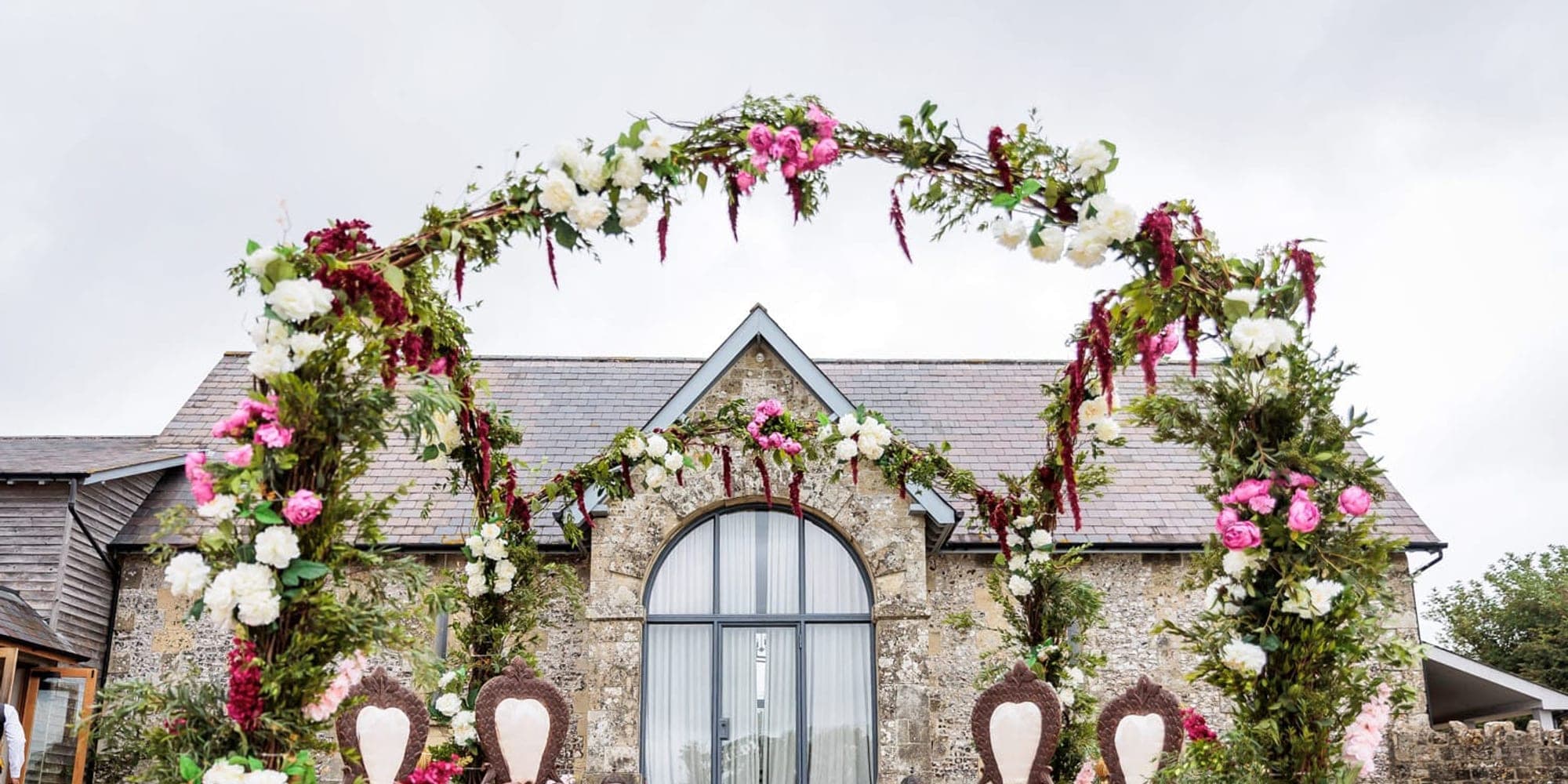
Photographs tend to flatter designs with clear shapes and a good depth of colour. A design such as the rose and foliage white mandap has soft, layered texture, while a structure such as the carved cream pavilion mandap offers strong detail. Neither is better in every room, so think about your venue's light and your colour scheme. Our colour ideas and palettes guide is a good next read.
Remember that designs are shown as examples and availability is confirmed at quote. If an image matters a lot to you, ask the supplier for photographs of the design set up in a similar venue.
Questions to put to your decorator
The decorator controls the timing and the finish of the structure, so a few questions go a long way. Ask what time the mandap will be complete, whether any final styling can be done while photographers are shooting, and who will handle touch-ups such as straightening drapes before the ceremony. Our FAQs on design answer other common questions.
Ready to choose a mandap your photographer will enjoy working with? Browse all mandap designs, build a shortlist in our compare tool and send one enquiry through our quote page.
Quick answers
How long should the photographer have with the empty mandap?
Ask for a short window once the mandap is finished and before guests are seated. Even a calm quarter of an hour lets the photographer capture details and wide shots. Agree the window with your venue, your decorator and the photographer so nobody is surprised on the day.
Should I send my photographer the mandap design in advance?
Yes. Send the listing page, any supplier photos and the venue name. A photographer who knows the pillars, canopy and flowers can plan angles, lenses and lighting before arriving, and can tell you early if a design will be hard to photograph in your room.
Can the mandap be moved to suit the camera?
Position is usually fixed by the room layout, the priest's needs and the installation team, so decide it early rather than on the day. If you have a strong preference, raise it with the decorator and venue during planning and ask what is realistic.
Do guest chairs and stands spoil mandap photos?
They can. Cables, spare chairs, signs and bags often creep into the background. Ask a trusted relative to clear the stage area before the ceremony and keep guests behind agreed lines, so photographers and videographers have clean frames.
Compare mandaps and get one quote
Independent advice, clear starting prices, no chasing multiple suppliers.